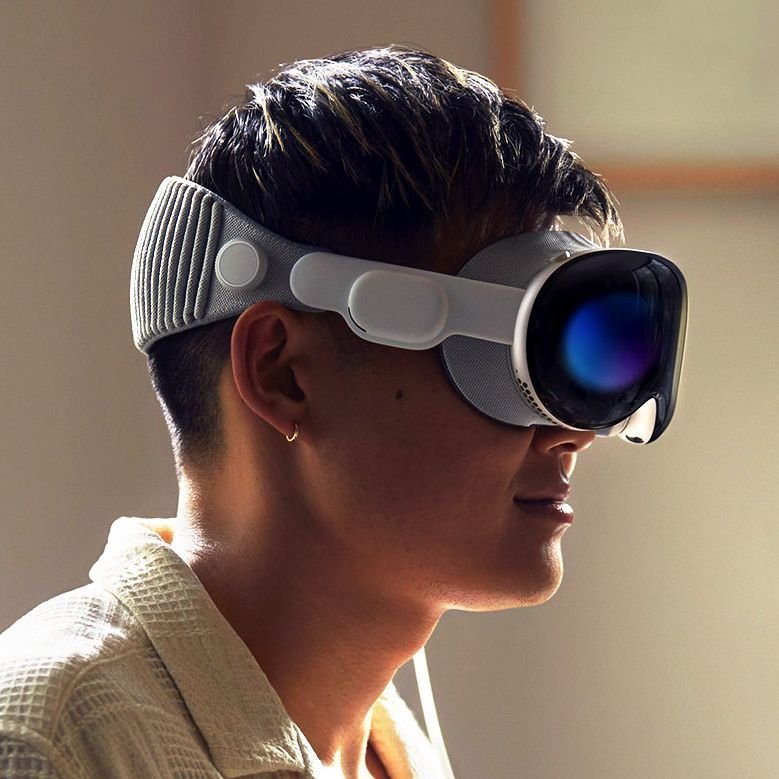
Imagine slipping on a pair of glasses that instantly recognize faces, translate foreign signs in real-time, and overlay digital maps onto the real world—all powered by Apple’s most advanced AI chip yet.
This isn’t science fiction. According to exclusive industry sources, Apple is making groundbreaking progress on AI-powered smart glasses, with a custom silicon breakthrough that could revolutionize wearable tech.
In this deep dive, we’ll reveal:
✔ The secret Apple chip powering these glasses
✔ How they’ll differ from Meta’s Ray-Ban smart glasses
✔ Game-changing AI features coming first
✔ When consumers might actually get them
1. The “Apple Glass” Project Isn’t Dead—It’s Evolving
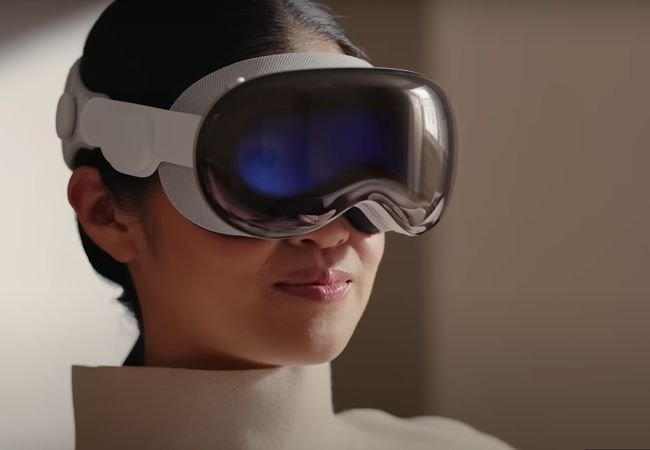
After years of rumors and patents, Apple’s smart glasses project (codenamed “B798”) has quietly shifted focus—from augmented reality (AR) displays to AI-first wearable computing.
Why the change?
- Current AR tech (like Apple Vision Pro) is still bulky/expensive
- AI processing has become powerful enough for glasses
- Battery life breakthroughs make all-day wear possible
Insider Tip: These won’t replace iPhone—they’ll complement it, like the Apple Watch.
🔗 Related: How Apple Vision Pro Differs From Upcoming AI Glasses
2. The Secret Weapon: An All-New “A19” Chip Designed for AI
While most smart glasses rely on smartphone processors (like Meta’s Ray-Bans), Apple is developing a dedicated “A19” chip specifically for glasses, featuring:
| Tech Spec | Why It Matters |
|---|---|
| 3nm manufacturing | 30% more efficient = longer battery |
| 16-core Neural Engine | Handles complex AI tasks locally (no cloud lag) |
| Ultra-low-power always-on sensors | Responds to voice/gestures instantly |
Real-World Impact:
- Facial recognition so fast it works before you fully turn your head
- Real-time language translation without WiFi
- Health monitoring (think Apple Watch sensors in your frames)
3. 5 Killer Features That Will Blow Your Mind
Based on patent filings and supply chain leaks, expect these AI superpowers:
A. “Whisper Detection” (Silent Voice Commands)
The glasses will detect subvocal muscle movements—letting you “talk” to Siri by barely moving your lips. Perfect for:
- Secretly recording notes in meetings
- Discreetly asking for directions in public
B. “Smart Retinal Projection”
Instead of bulky displays, micro-LEDs project notifications directly onto your lower retina—visible only to you.
C. “Contextual X-Ray Vision”
Point your gaze at:
- A restaurant → See health inspection grades
- A product → Pull up Amazon price comparisons
- A person → Display their contact info (if in your network)
D. “Real-Time Bionic Hearing”
AI will:
✔ Amplify whispers in loud rooms
✔ Mute background chatter on command
✔ Transcribe conversations with timestamps
E. “Privacy Force Field”
A hardware switch will physically disconnect cameras/mics—addressing the #1 concern about smart glasses.
🔗 External Link: How Neural Interfaces Work (MIT Tech Review)
4. How Apple Solves the “Glasshole” Problem
Remember Google Glass backlash? Apple’s approach is smarter:
Design:
- Looks like premium titanium-frame sunglasses
- No creepy camera light (uses IR sensors)
- Prescription lens compatibility
Social Strategy:
- Focus on helpful AI (not constant recording)
- “Glance to confirm” interactions (no hand waving)
- Strict “no surreptitious recording” policies
Early Prototype Review: Testers say they “feel like Tony Stark—but subtle.”
5. The Roadmap: When Will You Get Them?
2024: Developer kits released (under strict NDA)
2025 Q3: Limited “Apple One” subscriber early access
2026: General consumer launch at ~$1,499
Why So Long?
- Manufacturing the custom micro-optics is challenging
- App ecosystem needs time to develop
- Regulatory approvals for medical sensors
Pro Tip: Start saving Apple reward points now.
Will This Be Apple’s Next Billion-Dollar Product?
The Case For:
✅ Solves real problems (hands-free computing)
✅ Leverages Apple’s chip/AI dominance
✅ Fits Tim Cook’s “next computing platform” vision
The Risks:
❌ Battery life may still be limited (~8 hours)
❌ Privacy concerns could trigger bans in some countries
❌ High price = niche adoption at first
Final Thoughts: The Future on Your Face
Apple’s AI glasses won’t just be another gadget—they could redefine how we interact with technology the way iPhone did in 2007.
Key Takeaways:
✔ Powered by revolutionary A19 AI chip
✔ Discreet, socially-acceptable design
✔ Launching 2025-2026 for early adopters
✔ Focus on practical AI over flashy AR
What to Do Now:
- Watch WWDC 2024 for developer hints
- Follow @MarkGurman for supply chain leaks
- Debate: Would you wear these? (Comment below!)
🔗 Read Next: Apple vs. Meta: The Smart Glasses War Begins
FAQs About Apple’s AI Glasses
Q: Will these work with Android?
A: Extremely unlikely—deep iOS integration is key.
Q: Can they replace my iPhone?
A: Not yet, but they’ll handle 80% of notifications/queries.
Q: Are these the same as Vision Pro?
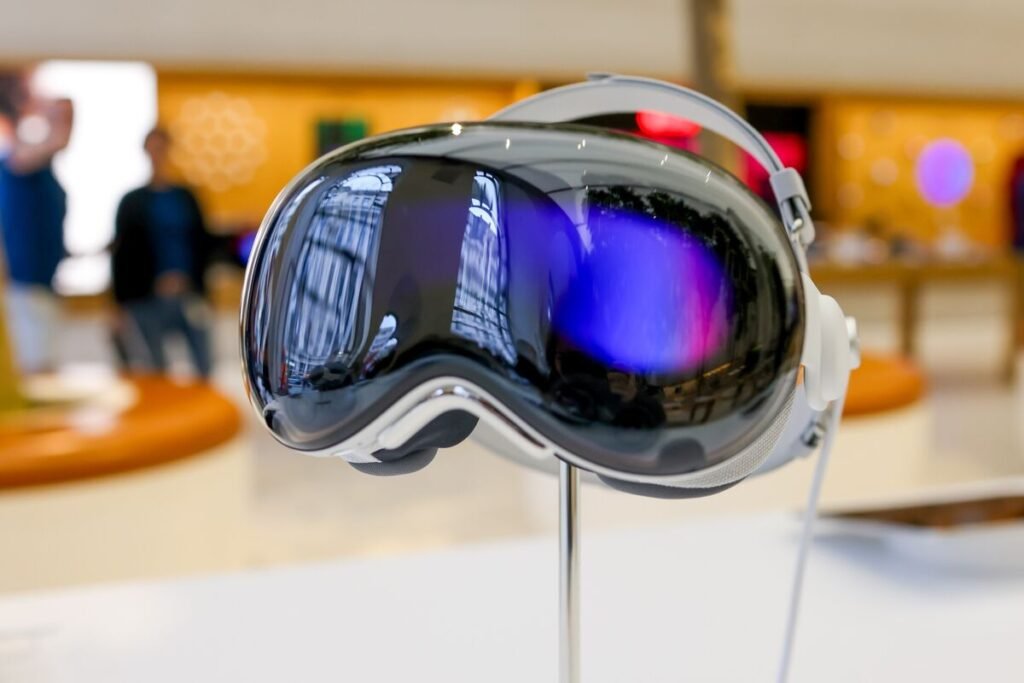
A: No! Vision Pro = immersive VR/AR. These = lightweight AI assistant.